To detan face at home, use gentle exfoliation along with natural brightening ingredients like aloe vera, curd, tomato, or besan-based packs 2–3 times a week, followed by daily sunscreen. Most mild tans start fading within 1–2 weeks, though deeper tans may take longer and need consistent care.
This guide covers what causes tan on the face, 7 de-tan remedies that actually work, how to use them safely, and how to stop the tan from coming back.
What is Tan on Face?
Tan on face is the darkening of your skin that happens when UV rays from the sun trigger extra melanin production as a protective response. A tan on the skin is the darkening of the complexion caused by increased melanin production, the pigment your body creates when exposed to UV rays as a defense mechanism. This is why exposed areas like the face, neck, and hands tan faster than covered skin.
Tanning is not just cosmetic. Tanning is caused by exposure to ultraviolet (UV) radiation from the sun or tanning beds that causes genetic damage to cells on your outmost layer of skin. The skin tries to prevent further injury by producing melanin that results in darkening, what we call a tan. So even a “healthy glow” from the sun reflects skin stress, not skin health.
Tan vs Hyperpigmentation — What’s the Difference?
Many people confuse facial tan with pigmentation, but the causes differ. Hyperpigmentation can have several causes, like hormonal changes, genetics, poor diet, or an injury to your skin, while tan marks on the skin do not come with these underlying causes and its major cause is sun exposure. If your dark patches are uneven, patchy, or appear without obvious sun exposure, it may be pigmentation rather than tan. You can read more about treating pigmentation and dark spots with a simple night routine if that sounds like your concern.

7 De-Tan Remedies to Detan Face at Home
These are the most commonly recommended, kitchen-ingredient based remedies to detan at home. None of these remedies can undo deep sun damage, but they help exfoliate tanned surface cells and support a more even tone when used consistently.
1. Lemon Juice and Honey
Lemon’s natural acidity, combined with honey’s moisturising properties, is one of the most popular de-tan combinations. Lemon juice is a natural bleaching agent that helps to remove sun tan, and when combined with honey, it works wonders on the skin.
- Mix 1 tablespoon fresh lemon juice with 1 tablespoon honey.
- Apply evenly on tanned areas, avoiding the eyes and any broken or irritated skin.
- Leave on for 10–15 minutes, then rinse with cool water.
Lemon can make skin more sensitive to sunlight and may sting on broken or acne-prone skin, so always do a patch test on your inner arm first and never step out in the sun right after using it.
2. Aloe Vera Gel
Aloe vera is one of the gentlest options for tanned and sun-irritated skin. Aloe vera can soothe sun-exposed skin and support barrier comfort, reducing redness and dryness that often accompany tanning.
- Apply a thin layer of pure aloe vera gel (fresh or a simple, additive-free product) to clean skin.
- Leave it on for 20–30 minutes, or overnight if your skin tolerates it well.
- Rinse off with cool water in the morning.
Aloe vera suits most skin types, including sensitive skin, but some people can be allergic to it, so patch-test before applying it widely on your face.
3. Curd (Yogurt) and Turmeric Pack
Curd contains lactic acid that gently exfoliates, while a pinch of turmeric has long been used in Indian households for brightening. Lactic acid exfoliates while curcumin brightens and protects skin, making this suitable for dry or normal skin, used around two times a week.
- Mix 1–2 tablespoons plain curd with a small pinch of turmeric.
- Apply for 10–15 minutes, then rinse with lukewarm water.
Use only a small pinch of turmeric since too much can temporarily stain the skin yellow.
4. Tomato Pulp
Tomatoes are mildly acidic and are commonly used to tackle sun tan on oily or acne-prone skin. Tomato’s lycopene antioxidant content along with its natural acids is thought to help lighten tan, and it suits oily or acne-prone skin when used 2–3 times a week for about 15 minutes.
- Mash a ripe tomato into pulp.
- Apply evenly on the face, avoiding the eye area.
- Leave on for 15 minutes, then rinse with cool water.
Avoid this on broken, sunburnt, or freshly waxed skin as the acidity can sting and irritate.
5. Potato Juice
Potato juice is another traditional remedy believed to have a mild lightening effect on tanned skin.
- Grate a raw potato and squeeze out the juice, or rub thin potato slices directly on the face.
- Apply with a cotton pad, leave on for 15 minutes, then rinse with cool water.
This is generally gentle, but discontinue use if you notice any redness or itching.
6. Besan (Gram Flour), Turmeric and Curd Pack
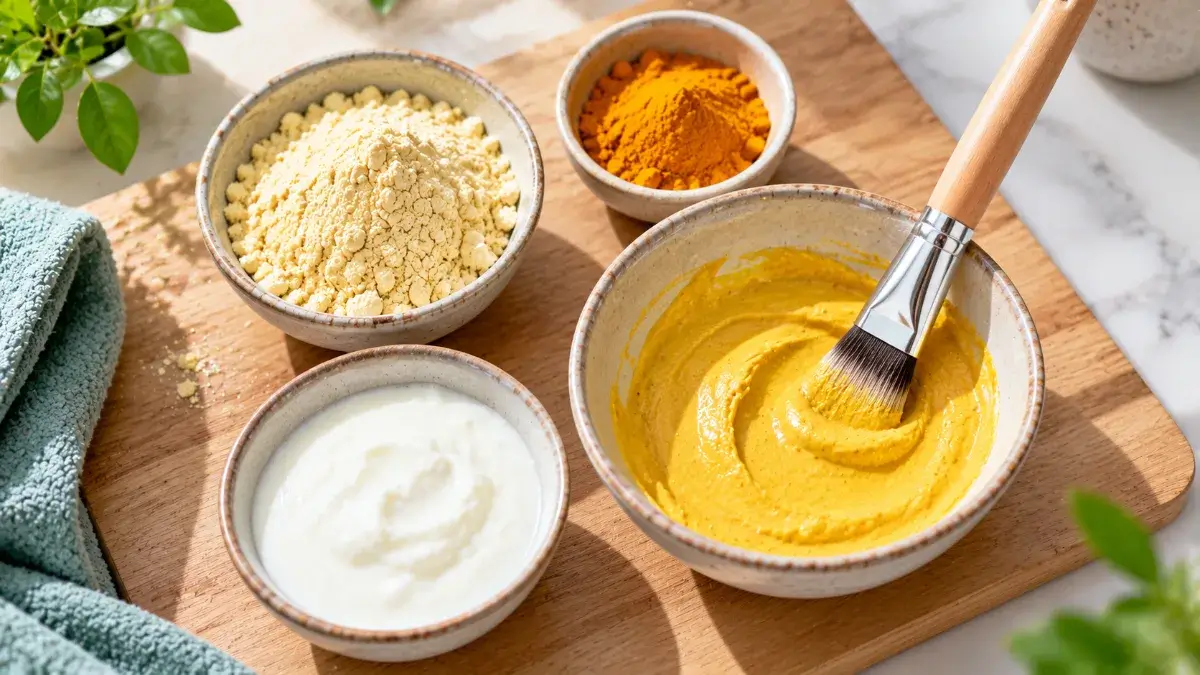
This is a classic Indian de-tan pack passed down through generations, and it works mainly through mild exfoliation. This is the method Indian grandparents have long suggested for tanned skin, made by combining Bengal gram powder, turmeric, lemon juice, and curd into a thick paste.
- Mix 1 tablespoon besan, a small pinch of turmeric, and enough curd to form a paste.
- Apply to the face and neck, let it dry for 15–20 minutes, then rinse with lukewarm water while gently rubbing it off.
If you prefer a ready alternative, you can also try a multani mitti face pack, which many readers use for a similar brightening and oil-control effect.
7. Gentle Exfoliation with Oatmeal or a Soft Washcloth
Since tan sits on the outer, dead skin cell layer, mild exfoliation genuinely helps it fade faster. Mild exfoliation helps remove surface dead skin cells that contain excess pigment, supporting a more even tone over time.
- Mix finely ground oatmeal with curd or milk to form a paste.
- Massage gently in circular motions for 1–2 minutes, then leave on for 10 minutes before rinsing.
- Limit this to 1–2 times a week to avoid over-exfoliating.
Skip physical scrubs if you have active acne, sunburn, or very sensitive skin, as scrubbing can worsen irritation and even deepen pigmentation.
How Long Does It Take to Detan Face at Home?
A light, recent tan may visibly lighten in 1–2 weeks with regular care, since the skin naturally sheds tanned cells over time. Deeper or long-standing tan, especially on sensitive areas like the face, can take several weeks of consistent remedies and sun protection to fade noticeably. Stick to one remedy for 2–3 weeks before judging results, and avoid combining too many active ingredients like lemon, turmeric, and scrubs on the same day, as this increases the risk of irritation.
Precautions Before You Detan at Home
- Always patch-test any new ingredient (especially lemon juice, turmeric, or tomato) on your inner arm for 24 hours before applying it to your face. A patch test lowers risk but does not guarantee your skin will never react.
- Avoid lemon juice and other acidic ingredients if you have active acne, open wounds, eczema, or sunburnt skin.
- Do not step out in direct sun within a few hours of using lemon or citrus-based packs, as this can increase sensitivity and worsen pigmentation.
- Stop immediately if you notice redness, burning, itching, or swelling, and rinse the area with plain water.
- Pregnant or breastfeeding women and people with known skin allergies should check with a dermatologist before trying new DIY face packs regularly.
- If the tan looks unusually dark, patchy, or does not fade after several weeks of consistent home care, consult a dermatologist instead of trying harsher ingredients.
How to Prevent Tan From Coming Back
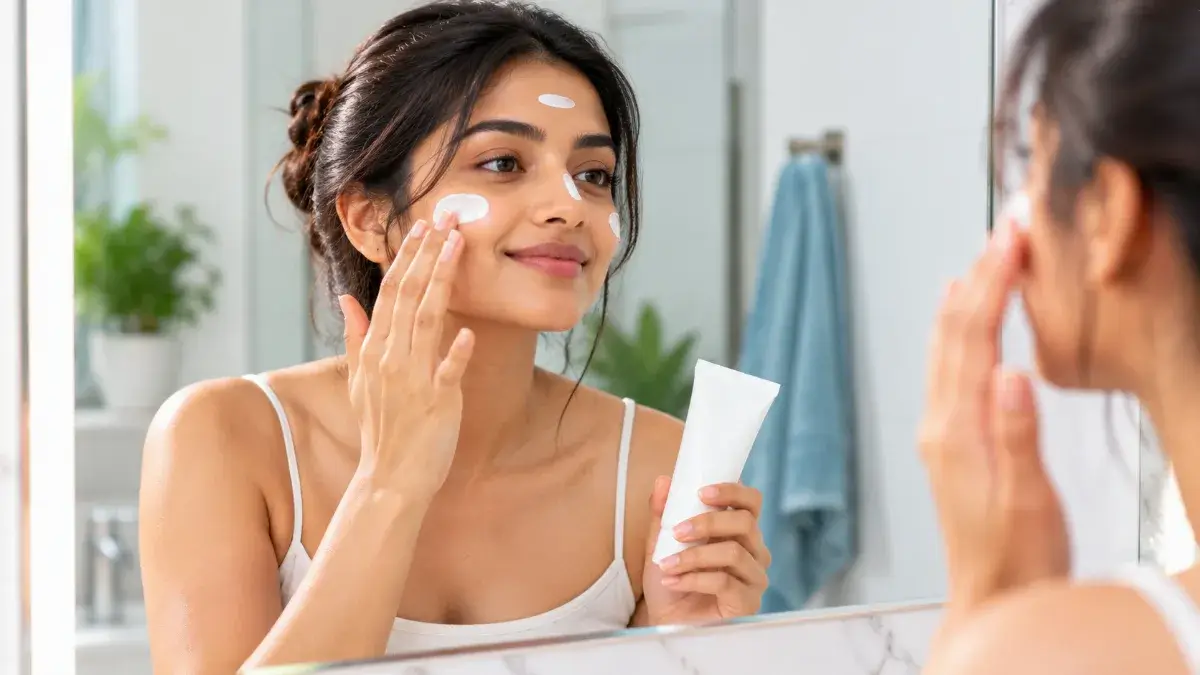
De-tanning works temporarily if you keep getting re-tanned, so prevention matters as much as the remedy. Dermatologists recommend using sunscreen with SPF 30+ that is broad-spectrum and water resistant. When outdoors, reapply sunscreen approximately every two hours, or after swimming or sweating, according to the directions on the bottle.
- Apply sunscreen every morning, even on cloudy days, and reapply every 2 hours when outdoors.
- Cover your face with a scarf or wide-brimmed hat during peak sun hours (11 am–4 pm).
- Follow up your de-tan routine with a light moisturiser to prevent dryness. If your skin feels dry or flaky in winter, see these common mistakes that worsen dry skin in winter.
- Keep your overall skincare routine simple; a good cleanser suited to your skin type prevents buildup that can make tan look patchier.
- For an overall glow alongside de-tanning, try some simple home remedies for glowing skin.
Who Should Avoid DIY De-Tan Remedies
People with active acne, eczema, rosacea, or very sensitive skin should be cautious with acidic or exfoliating ingredients like lemon, tomato, and scrubs, as these can trigger irritation rather than helping. Anyone with a known allergy to a specific ingredient, such as aloe vera or turmeric, should avoid it entirely. If you notice unusual dark patches, uneven pigmentation, or a mole that is changing in colour or shape, see a dermatologist rather than relying on home remedies, since these can sometimes indicate something other than simple sun tan.
Conclusion
You can detan face at home safely using simple, gentle ingredients like aloe vera, curd, besan, and light exfoliation, done consistently 2–3 times a week. The most important step is pairing these remedies with daily sunscreen, since no amount of de-tanning helps if the tan keeps returning. If a tan persists or looks unusual after a few weeks of care, speak to a dermatologist instead of trying stronger DIY mixtures.
Frequently Asked Questions
Q. What is the fastest way to detan face at home?
Gentle exfoliation combined with a soothing mask like curd-turmeric or aloe vera, used 2–3 times a week, tends to show the fastest visible fading for mild tan. However, “fast” results still usually take 1–2 weeks, and deeper tan needs more time and consistency.
Q. Can lemon remove tan from the face permanently?
Lemon juice may help lighten surface tan temporarily, but it does not permanently prevent new tanning since that depends on ongoing sun exposure. It can also irritate sensitive or acne-prone skin, so use it cautiously and always patch-test first.
Q. Is tan the same as suntan or sunburn?
Tan and suntan refer to the same skin-darkening response to UV exposure, while sunburn is a more severe reaction involving redness, pain, and sometimes peeling. Both are signs of UV-related skin damage rather than a “healthy” glow.
Q. How often should I use de-tan face packs?
Most natural de-tan packs are safe to use 2–3 times a week; daily use of stronger ingredients like lemon or scrubs can irritate the skin. Space out different remedies and give each one a few weeks before switching.
Q. Does tan go away on its own without any remedy?
Yes, tan fades gradually on its own as the skin naturally sheds tanned outer cells over several weeks, provided you avoid further sun exposure. Home remedies and gentle exfoliation simply speed up this natural process.
Q. Can I use multiple de-tan remedies together for faster results?
It is better to stick to one remedy at a time rather than layering lemon, turmeric, and scrubs together, since combining multiple active ingredients increases the risk of irritation. Give one method 2–3 weeks before trying another.