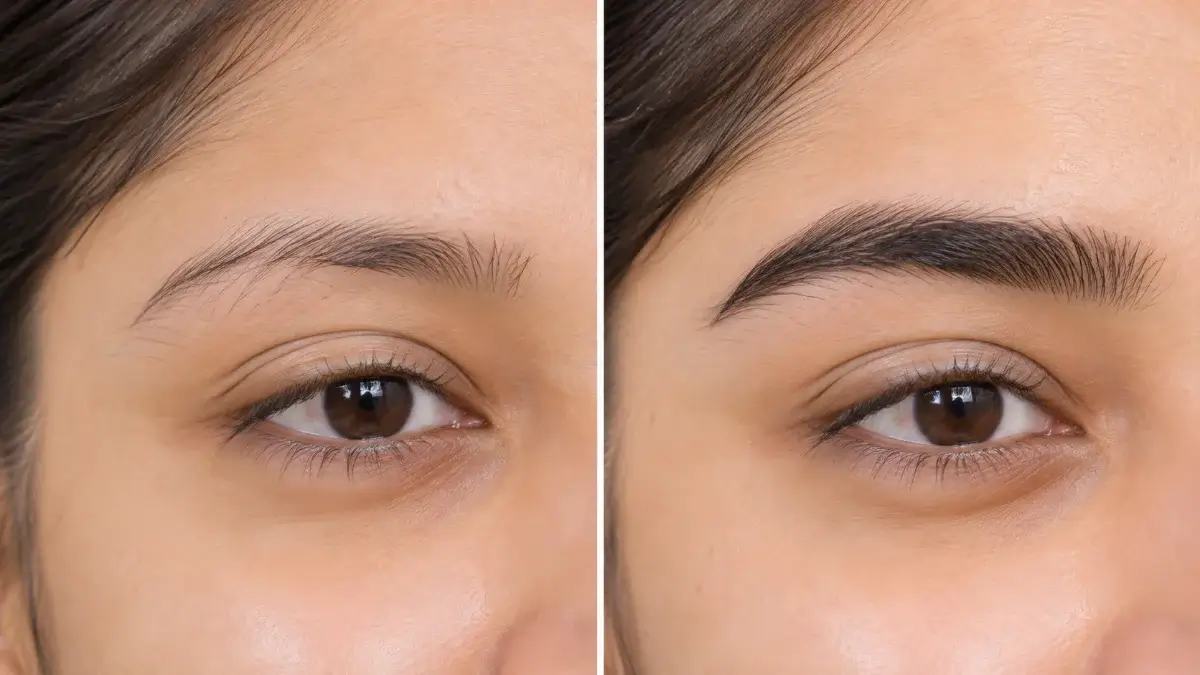
Castor oil for eyelashes works mainly as a conditioner, not a growth booster. It coats each lash to add shine and reduce breakage, while rosemary oil is mostly used (heavily diluted) for its circulation-boosting effect on surrounding skin. Neither oil has strong clinical proof of regrowing new lashes or brows, but used correctly, both can make existing lashes and eyebrows look fuller and healthier.
This guide explains what current research actually shows about castor oil and rosemary oil for thin eyebrows and sparse lashes, plus exactly how to apply them safely at home.
Is Castor Oil Good for Lashes? What the Science Actually Says
Castor oil is rich in ricinoleic acid, a fatty acid that makes up most of its composition and helps moisturise hair strands. However, there are no clinical trials specifically looking at castor oil and eyelash growth, so while castor oil may support overall lash and follicle health, there’s no evidence it actually stimulates new growth.
What castor oil can realistically do:
- It can moisturise and protect lash hairs from damage, which can make them look fuller, but it’s unlikely to cause actual growth.
- It may make lashes look healthier by moisturising them, coating the hair to create the appearance of thickness, and possibly preventing premature lash loss.
- The ricinoleic acid in castor oil contains high levels of triglycerides, which may help moisturise eyelashes.
The American Academy of Ophthalmology also warns people to be cautious with any oil near the eyes. The Academy recommends using sterile products for the eyes, and advises always following a doctor’s or ophthalmologist’s advice when using products on or near the eyes. Avoid letting castor oil drip directly into the eye, since it is not a sterile, eye-drop-grade product.

Rosemary Oil for Eyebrows: Does It Help Thin Eyebrows?
Rosemary oil is mainly used for its reputed effect on blood circulation to hair follicles, which is more studied for scalp hair than for eyebrows specifically. An Indian clinical trial involving dermatology researchers and a cosmetic formulation lab found that rosemary-lavender oil and rosemary-castor oil significantly improved hair growth rate, thickness, density, length, and reduced hair fall compared to coconut oil over a 90-day period on the scalp.
This scalp-focused research is promising, but it does not directly prove the same results on eyebrow hair, which grows in a different cycle. If you have persistently thin eyebrows due to over-plucking, ageing, or a medical condition, rosemary oil may support the skin and follicles around existing hair, but it will not regrow brows that have stopped producing hair altogether.
Important Safety Note for Rosemary Oil Near the Eyes
- Pure rosemary essential oil is strong and should never be applied undiluted on the eyebrows or anywhere close to the eyes.
- Always dilute a few drops of rosemary essential oil in a carrier oil such as castor oil, coconut oil, or jojoba oil before applying.
- Rosemary essential oil is generally advised to be used with caution during pregnancy; check with your doctor before using it if you are pregnant or breastfeeding.
Castor Oil vs Rosemary Oil – Which One to Use for What?
| Oil | Main Role | Best For | Key Precaution |
|---|---|---|---|
| Castor Oil | Conditions, moisturises, adds shine, reduces breakage | Dry, brittle, frizzy lashes/brows | Use pure, cold-pressed oil; avoid direct contact with the eyeball |
| Rosemary Oil | May support circulation to surrounding follicles | Sparse brows due to thinning, not scarring | Must be diluted; never apply undiluted essential oil |
Many home routines combine both oils, using castor oil as the carrier (base) and adding a tiny amount of diluted rosemary oil for its added benefit, rather than using rosemary oil alone near the delicate eye area.
How to Apply Castor Oil for Eyelashes and Eyebrows
- Remove all makeup first. Clean lashes and brows thoroughly so the oil can sit directly on the hair and skin, not on top of mascara or brow gel.
- Do a patch test. Apply a small amount of castor oil on your inner forearm and wait 24–48 hours to check for redness, itching, or irritation before using it near your eyes.
- Use a clean spoolie or cotton swab. Dip it lightly in pure, cold-pressed castor oil.
- Apply along the upper lash line and brow hair at night. Glide it gently from root to tip, avoiding direct contact with the eyeball.
- Leave it on overnight and wash off in the morning as part of your regular cleansing routine.
- Repeat nightly for several weeks. Most people need at least 6–8 weeks of consistent use before judging any visible change in lash or brow appearance.

How to Apply Rosemary Oil on Eyebrows Safely
- Mix 1–2 drops of rosemary essential oil into 1 teaspoon of castor oil or another carrier oil. Never apply rosemary essential oil undiluted.
- Patch test the diluted mix on your forearm first and wait at least 24 hours.
- Using a clean spoolie, massage the diluted oil gently into clean eyebrows at night, avoiding the eyelid and lash line if you are new to rosemary oil.
- Wash off in the morning. Use this 3–4 times a week rather than nightly, since essential oils can be more irritating with daily use.
Can You Mix Castor Oil and Rosemary Oil Together?
Yes, this is a common and generally safer way to use rosemary oil, since castor oil acts as the diluting carrier. A simple ratio is one teaspoon of castor oil with one or two drops of rosemary essential oil, applied to clean brows or lashes at night with a spoolie brush.
Precautions and Who Should Avoid These Oils
- Patch test every time you try a new bottle or brand, since a patch test reduces risk but does not guarantee you will never react.
- Avoid direct eye contact. There is no scientific evidence to support claims that castor oil can dissolve cataracts or cure floaters, and putting castor oil directly on the eyes can cause irritation and damage the cornea.
- Stop immediately if you notice redness, swelling, itching, or stinging, and rinse the area with plain water.
- People with known allergies to castor beans or rosemary, or with active eye infections like conjunctivitis or blepharitis, should avoid these oils until the condition clears and after checking with a doctor.
- Pregnant or breastfeeding women should consult a doctor before using rosemary essential oil, even in diluted form.
- Contact lens wearers should apply oil carefully and wash hands before touching lenses afterward.
If your eyebrows or eyelashes are thinning rapidly, in patches, or along with other symptoms like scalp hair fall, it is best to consult a dermatologist rather than relying only on oils, since conditions such as thyroid imbalance, alopecia areata, or nutritional deficiency may need medical treatment.
How Long Does It Take to See Results?
Castor oil is unlikely to grow your lashes, but it may help your lashes look thicker and fuller, and most people say it takes at least 6 weeks of consistent use to improve lash health. Set realistic expectations: you are more likely to see shinier, less brittle lashes and brows than dramatically longer or new hair growth.
While you wait for natural improvement, you can make existing lashes and brows look fuller instantly with the right eye makeup techniques for beginners or by choosing an eyeliner style suited to your eye shape to visually enhance lash lines.
If you are also dealing with scalp hair thinning, the same rosemary oil used for brows is widely used for the scalp too — you can read our detailed guide on how to use rosemary oil for hair growth the right way for a full DIY recipe and dilution ratios. Men dealing with patchy facial hair alongside thin brows may also find our roundup of natural oils for beard growth useful, since several ingredients overlap. For days when you skip brow and lash products entirely, check our step-by-step no-makeup look guide to keep things simple while your oils work in the background.
Conclusion
Castor oil and rosemary oil won’t magically regrow your lashes or eyebrows, but used consistently and safely, they can condition existing hair, add shine, and reduce breakage so brows and lashes look fuller over time. Patch test first, apply gently at night, and see a dermatologist if thinning is sudden, patchy, or paired with other symptoms.
Frequently Asked Questions
Q. Is castor oil good for lashes if used every single night?
Nightly use is generally fine for most people once a patch test is clear, since castor oil is a thick, non-irritating oil for most skin types. Stop use if you notice any redness, itching, or eye irritation.
Q. Can rosemary oil really help thin eyebrows grow back?
Rosemary oil may support the health of existing follicles and surrounding skin, but there is limited direct research on eyebrows specifically. It is unlikely to help if the follicles are permanently dormant or scarred.
Q. Can I use castor oil and rosemary oil together on the same night?
Yes, mixing a teaspoon of castor oil with one to two drops of diluted rosemary essential oil is a common and generally safer approach, since castor oil acts as the carrier for the stronger essential oil.
Q. How soon will I see thicker-looking lashes or eyebrows?
Most people notice healthier-looking, shinier lashes and brows after about 6 to 8 weeks of consistent nightly or alternate-night use. This is an improvement in appearance and texture, not new hair growth.
Q. Is it safe to apply castor oil if I wear contact lenses or have sensitive eyes?
It can be used carefully along the lash line, but avoid direct contact with the eyeball and wash your hands before touching lenses. If you have chronic dry eyes, allergies, or any eye condition, check with your eye doctor first.
Q. What is the biggest mistake people make while applying these oils to lashes?
Using too much oil or applying it to lashes still coated with old mascara is a common mistake. If you want to avoid damaging your natural lashes further, see our guide on the common mascara mistake that breaks lashes before starting an oil routine.